Catching a dying tree early gives you choices. Caught in time, some declining trees can be turned around; caught late, the only safe option left is removal. Either way, you want to know before a storm forces the issue. Here are the clearest signs a tree is in serious decline.
The bark is brittle and peeling
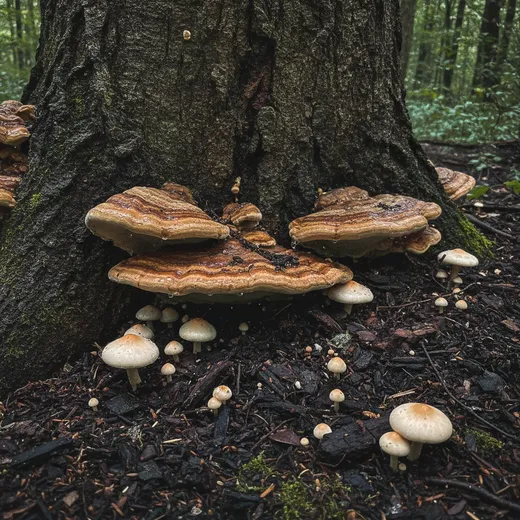
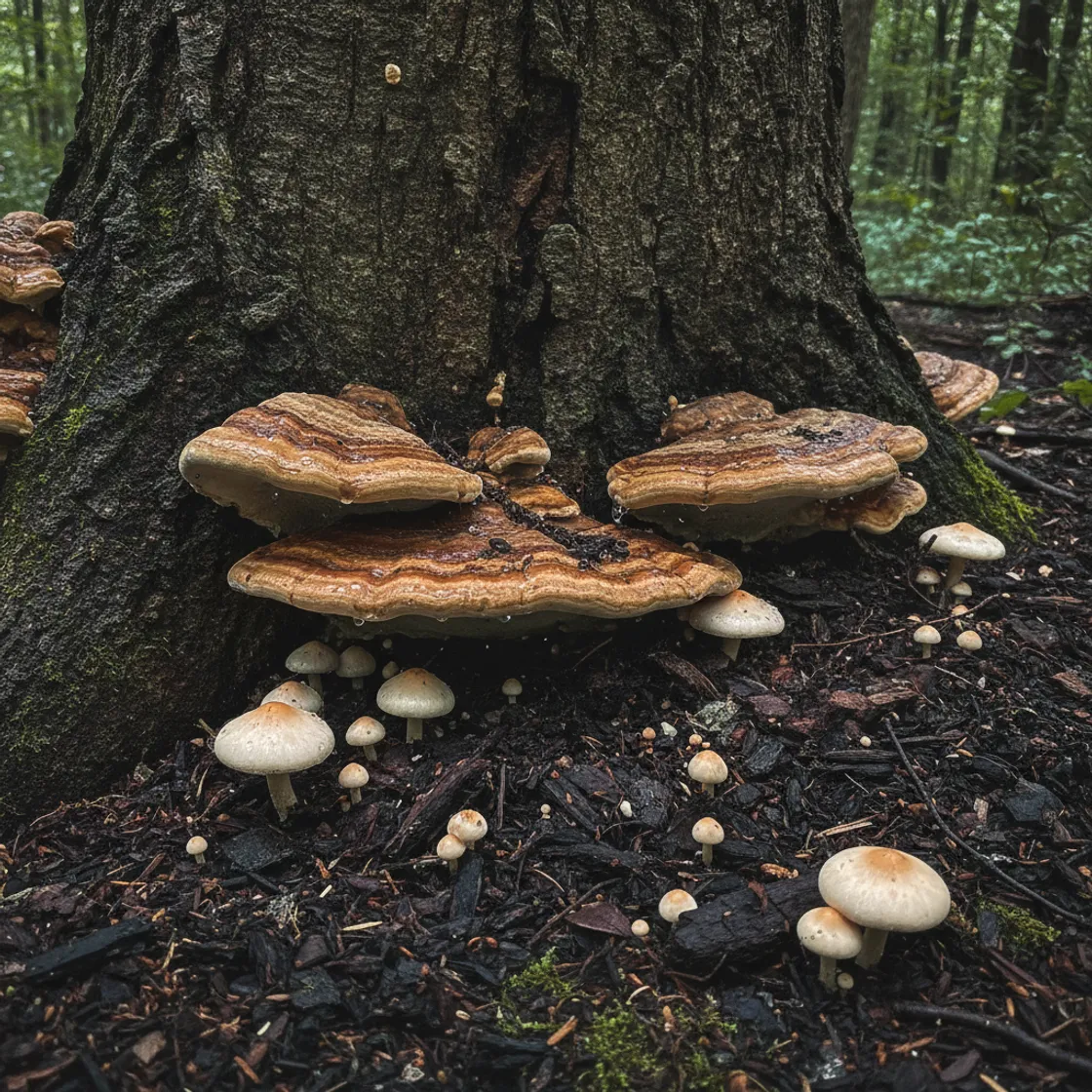
On a healthy tree, the bark is firm and stays put. On a dying one, it dries out, cracks, and begins falling away in sheets, often revealing smooth, bare wood underneath. Large patches of missing or loose bark, especially with no new bark forming to replace it, tell you the living tissue beneath has died. Run your hand along the trunk: healthy bark is solid, while the bark of a dying tree flakes and crumbles.
Green leaves are a thing of the past
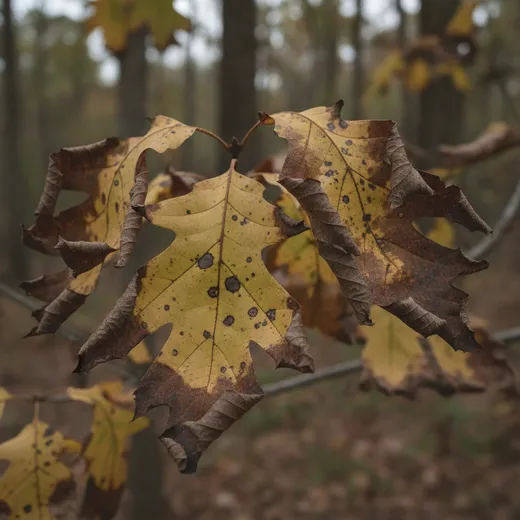
The canopy is one of the honest indicators. A dying tree leafs out late, sparsely, or not at all, and it may hold dead, brown leaves into winter when a healthy tree would have dropped them cleanly. Bare branches scattered through the crown while others still leaf out, whole limbs that never green up in spring, and a canopy that thins year over year all point the same direction. Scratch a small twig with a fingernail: green and moist underneath means life, brown and dry means that branch is gone.
The tree suddenly leans
A tree that starts leaning where it stood straight before is often a tree whose roots are failing, and failing roots are a hallmark of a dying tree. Check the base for soil that is cracked, mounded, or lifting on the side away from the lean, which signals the root plate is pulling loose. A sudden lean is both a sign of decline and an immediate safety concern, so keep people and cars clear until it is assessed.
Know who to call
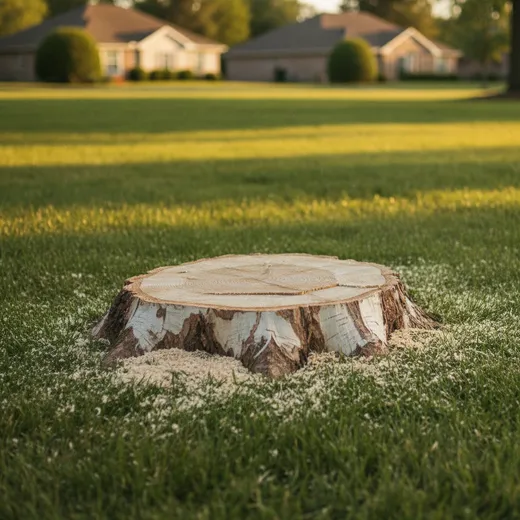
When you see these signs, the right next step is an assessment by someone who does it for a living, not a guess. A certified arborist can tell whether the decline is reversible, whether the tree can be made safe with pruning or cabling, or whether it has become a hazard that needs to come down. Getting that answer early is what keeps a dying tree from becoming an emergency.
How Engram's Tree Service can help
We have assessed and cared for declining trees across metro Atlanta for more than 25 years. Robin, our certified arborist, looks at every tree in person and gives you a straight answer, and when a tree cannot be saved our crew and crane remove it safely. If a tree is showing these signs, reach out for a free estimate before the weather decides for you.